Extension formats A–Z
All You
Compare the attachment, material and finish before choosing supplies. Illustrations cannot prove product specifications.
Open creator resource ↗
LEARNING ROOM / Installs
Choose the right opening, coverage and leave-out before styling.
01 / PREPARATION
As an Amazon Associate I earn from qualifying purchases.
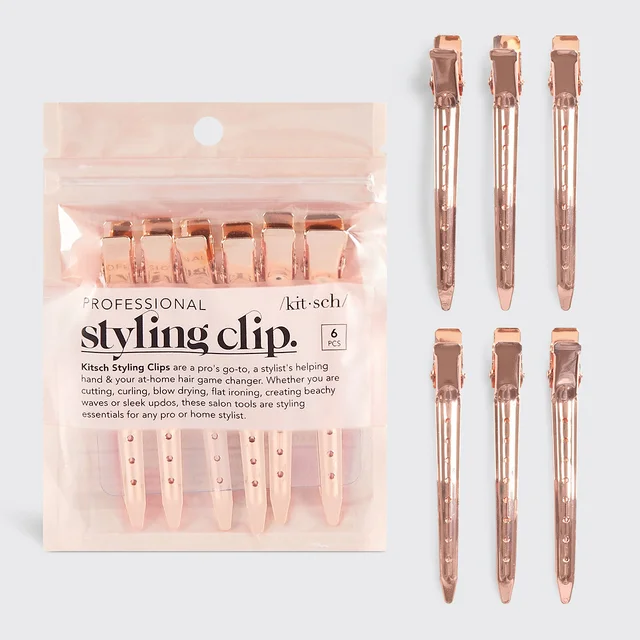
Keep neighboring sections out of the working area.
Shop on Amazon ↗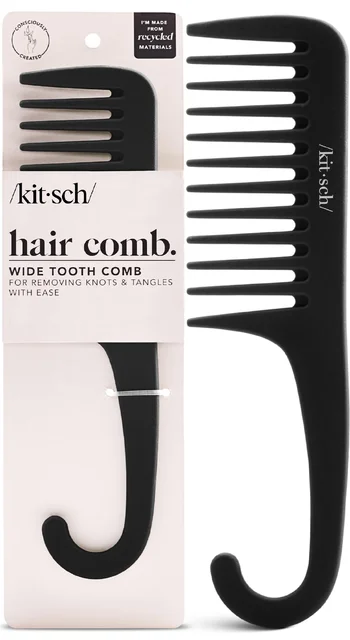
Wide-set teeth leave space for curls as you work conditioner through the ends.
Shop on Amazon ↗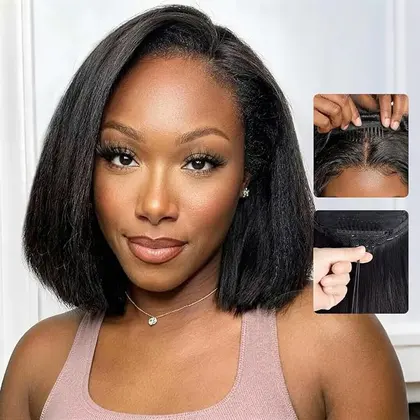
A shorter drawstring option for a headband look or a blended front section.
Shop on Amazon ↗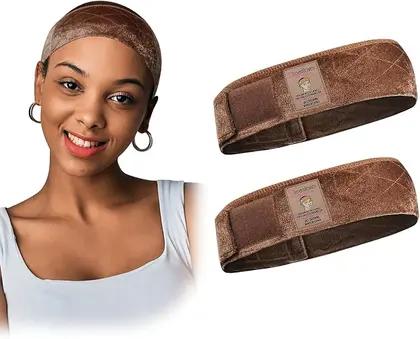
Adjust the hook-and-loop band under a half wig or headwrap.
Shop on Amazon ↗Half wigs expose a front transition; U/V-parts have an opening; headband wigs cover the front transition with a band. Confirm the actual cap rather than assuming the name guarantees no leave-out.
02 / STEP BY STEP
Inspect cap size, opening, fasteners and instructions. Reserve only the natural hair needed for the planned blend.
Make a flat, comfortable base that does not pull at the perimeter. Dry it before covering.
Position the cap without forcing the combs or clips into tight braids or tender skin. Check fit before styling.
For leave-out, test texture matching with the blending lesson. For a headband style, check the band’s pressure and perimeter coverage.
Check the opening from above and the sides while moving. Remove and adjust if a seam shows or the cap shifts rather than tightening everything.
03 / TRY A SMALL SECTION
Fit the unit and blend one small leave-out section, then remove the unit and assess comfort.
Use mirrors to check the crown; get help if hidden fasteners cannot be released safely.
04 / AFTER THE TECHNIQUE
Remove and cleanse according to the unit’s instructions; keep your own scalp care and drying routine in the plan.
Open clips and release combs before lifting the cap. Detangle cover hair separately.
05 / LEARN WITH THE CREATORS
All You
Compare the attachment, material and finish before choosing supplies. Illustrations cannot prove product specifications.
Open creator resource ↗American Academy of Dermatology
Recognize traction, loosen painful styles and seek assessment for thinning. This does not diagnose your hairline.
Open creator resource ↗