Hairstyles that pull can lead to hair loss
American Academy of Dermatology
Recognize traction, loosen painful styles and seek assessment for thinning. This does not diagnose your hairline.
Open creator resource ↗
LEARNING ROOM / Locs & crochet
Distinguish long-term natural loc formation from removable faux locs.
01 / PREPARATION
As an Amazon Associate I earn from qualifying purchases.
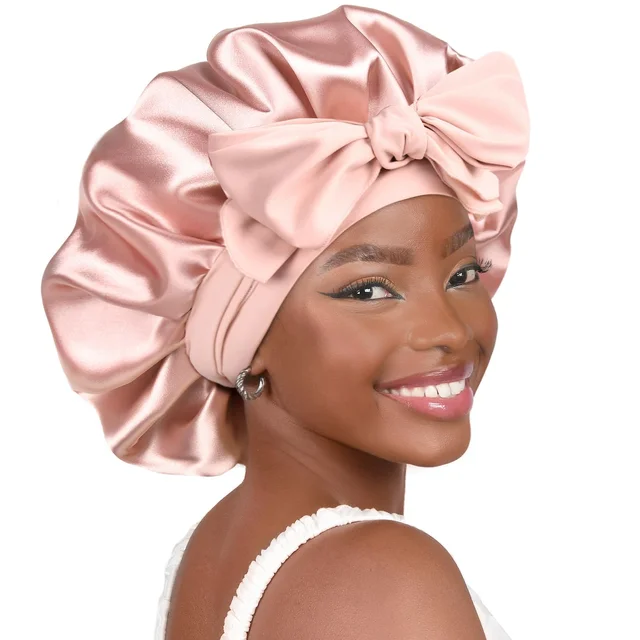
Cover the finished style overnight. Check the depth against its length and volume.
Shop on Amazon ↗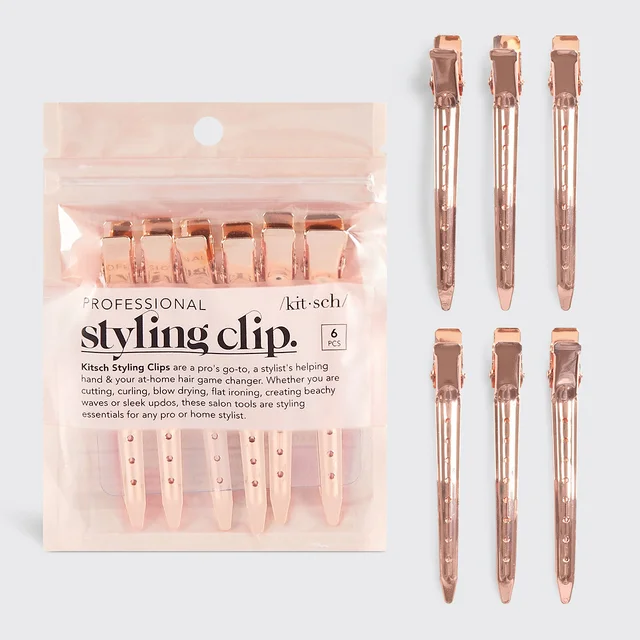
Keep neighboring sections out of the working area.
Shop on Amazon ↗Comb coils, two-strand starters, interlocking and crochet maintenance are different natural-loc approaches. Natural locs are not intended to be taken down like a temporary faux-loc wrap.
02 / STEP BY STEP
Choose references showing mature loc size and parting, and discuss how starter size and shrinkage can change over time.
Ask a loctician to compare starter methods for your length, density, scalp and routine. Do not copy a tool method from a finished photo.
Agree on washing and full drying during the starter stage; maintaining a pattern does not mean leaving the scalp unwashed.
Ask for a demonstration of gentle home separation and which root work should be left to the professional. Avoid repeated tight retwisting.
Plan maintenance around actual growth and scalp needs. Keep beads and cuffs light and removable; assess root comfort after every visit.
03 / TRY A SMALL SECTION
Compare a two-strand starter reference with a wrapped faux-loc reference and identify what is natural hair versus removable extension.
Use a loctician for starter mapping and tool work; practice only the agreed gentle home-care routine.
04 / AFTER THE TECHNIQUE
Cleanse the scalp and dry the full loc, including inner sections; avoid heavy buildup and tight updos.
For permanent locs, comb-out or cutting is a separate considered decision with a professional. Do not follow temporary faux-loc cutting instructions.
05 / LEARN WITH THE CREATORS
American Academy of Dermatology
Recognize traction, loosen painful styles and seek assessment for thinning. This does not diagnose your hairline.
Open creator resource ↗American Academy of Dermatology
Curly and coily hair cleansing, moisture and detangling; adapt to your scalp and product directions.
Open creator resource ↗